

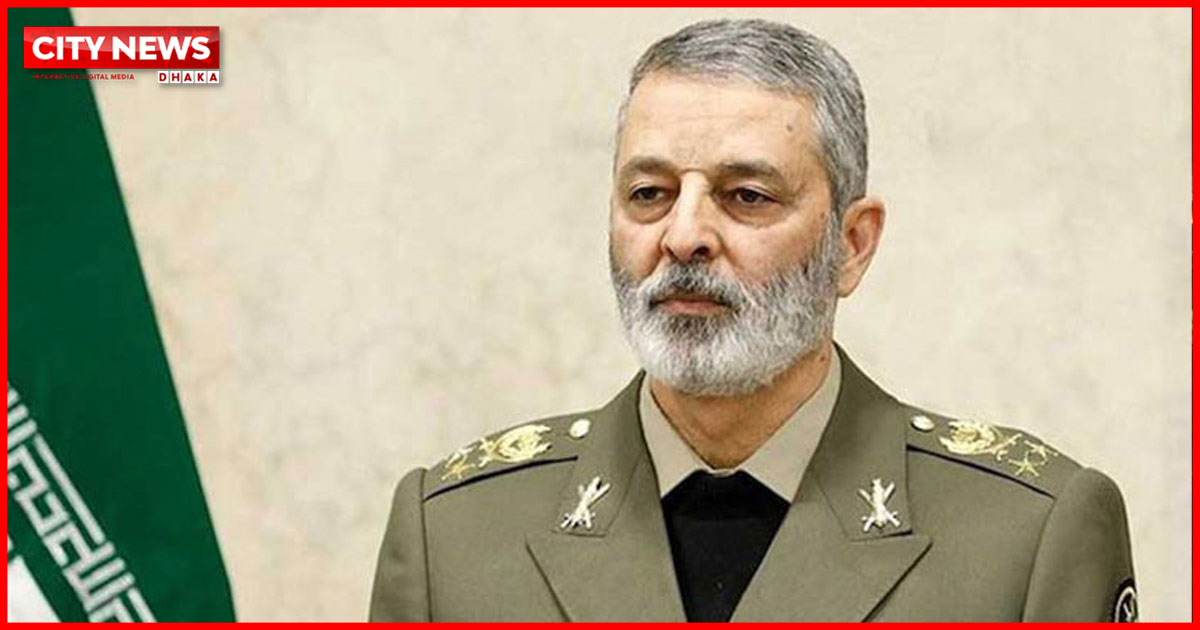
A wave of violence has erupted in the Middle East after a joint US-Israel airstrike killed several of Iran’s top leaders, including Supreme Leader Ayatollah Ali Khamenei. Iran confirmed the deaths of Armed Forces chief Abdul Rahim Mousavi, Defense Minister Aziz Nasirzadeh, IRGC commander Mohammad Pakpour, and security adviser Ali Shamkhani in the strike on Saturday.
The attack targeted a high-level meeting at Khamenei’s Tehran office. Iranian state media, IRNA, confirmed additional senior military figures were killed, though their identities are yet to be released.
In a swift and furious response, Iran launched a series of missile and drone attacks against Israel and US military bases in the Gulf. Dozens of missiles struck Israel, many intercepted by the Iron Dome defense system. Yet the attacks still left at least one civilian dead in the Tel Aviv area.
Meanwhile, explosions and air defense fire rattled Dubai, with shrapnel killing a person and causing fires at the city’s port and the iconic Burj Al Arab hotel. Saudi Arabia reported repelling attacks on its capital and eastern regions, and Jordan intercepted nearly 50 drones and missiles.
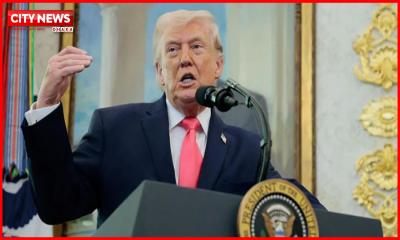
On social media, US President Donald Trump issued a stark warning: any further Iranian attacks would be met with “a force that has never been seen before.” Trump called the strike “the single greatest chance for the Iranian people to take back their country.”
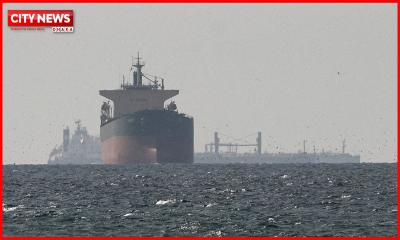
The attacks have caused massive disruption across the Middle East. Commercial flights were grounded, and governments scrambled to assess damage and civilian casualties. The Iranian Revolutionary Guard has vowed to launch its “most intense offensive operation ever” targeting US and Israeli forces. Analysts warn that the killing of Khamenei and other senior officials could destabilise the Islamic Republic and potentially trigger a broader regional conflict.
Source: The Statesman




Comment :