

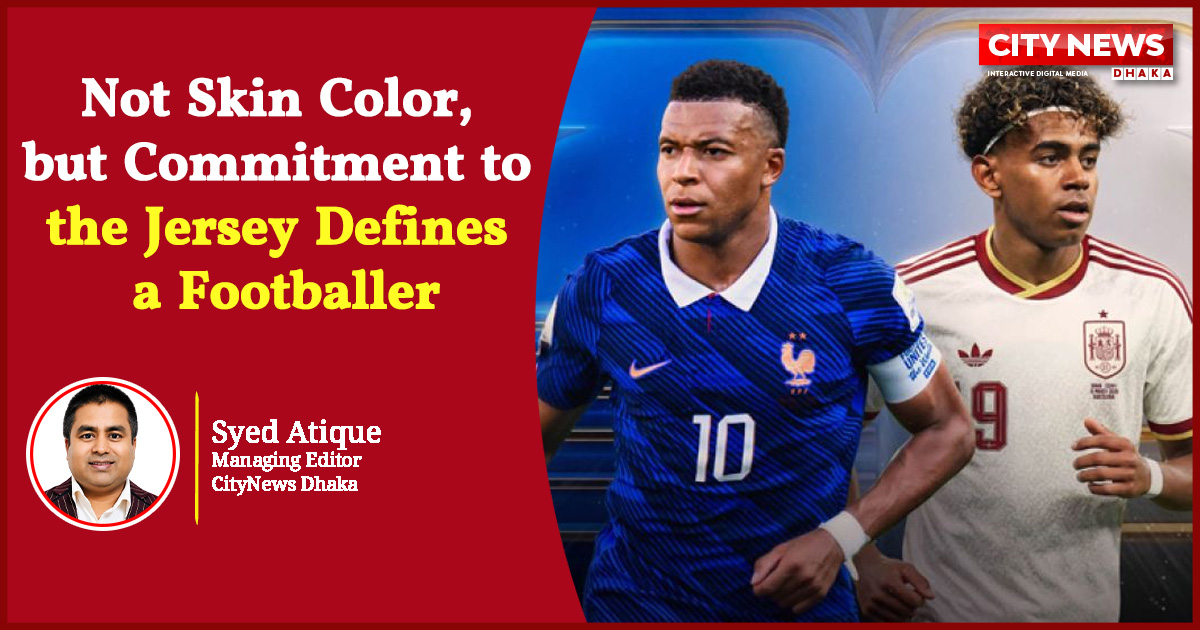
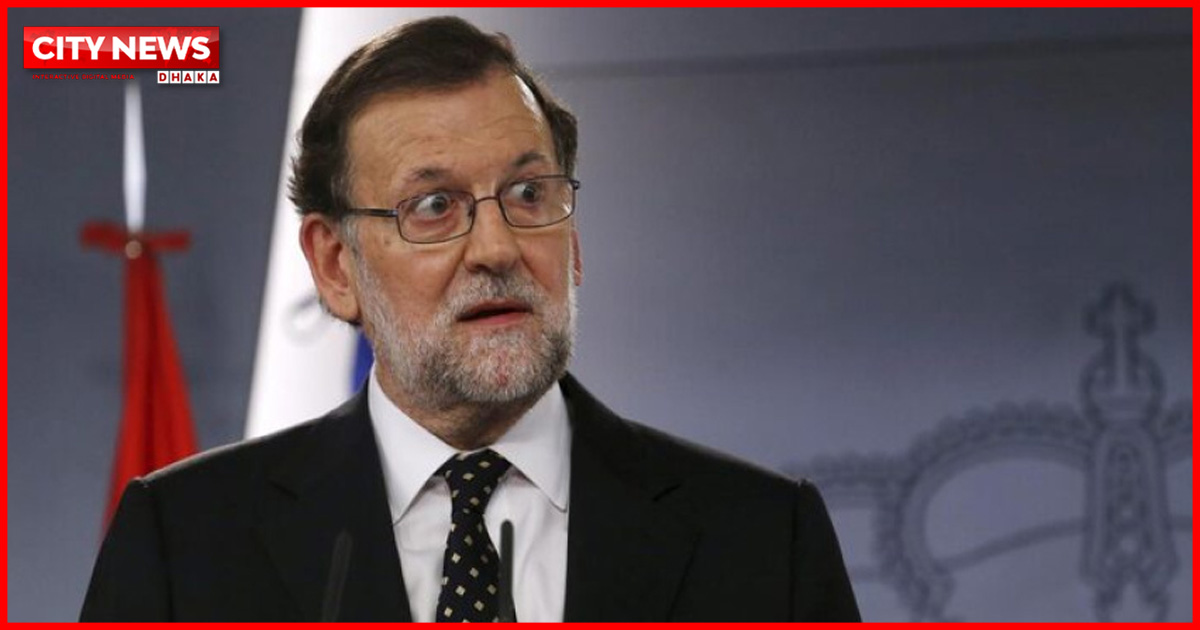
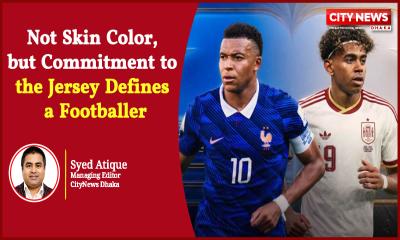
The FIFA World Cup is far more than a contest for sporting supremacy; it is a celebration of diversity. When people of different languages, cultures, religions, and ethnic backgrounds unite behind the same ball with the same passion, football reveals its true power. That is why the World Cup is often described as humanity’s greatest gathering. Yet, on the eve of a World Cup semifinal, former Spanish Prime Minister Mariano Rajoy’s controversial remarks have challenged not merely one national team but the very values upon which modern football is built.
Rajoy questioned how many “real French” players there are in the French national team, suggesting that their identity could be determined simply by the color of their skin. Such a statement is not merely political rhetoric; it reflects a mindset that seeks to define citizenship through race, ethnicity, and physical appearance. Modern democratic societies, however, are founded on equality, constitutional rights, and citizenship—not on skin color. A citizen’s identity is determined by their legal and civic bond with their country, not by their appearance.
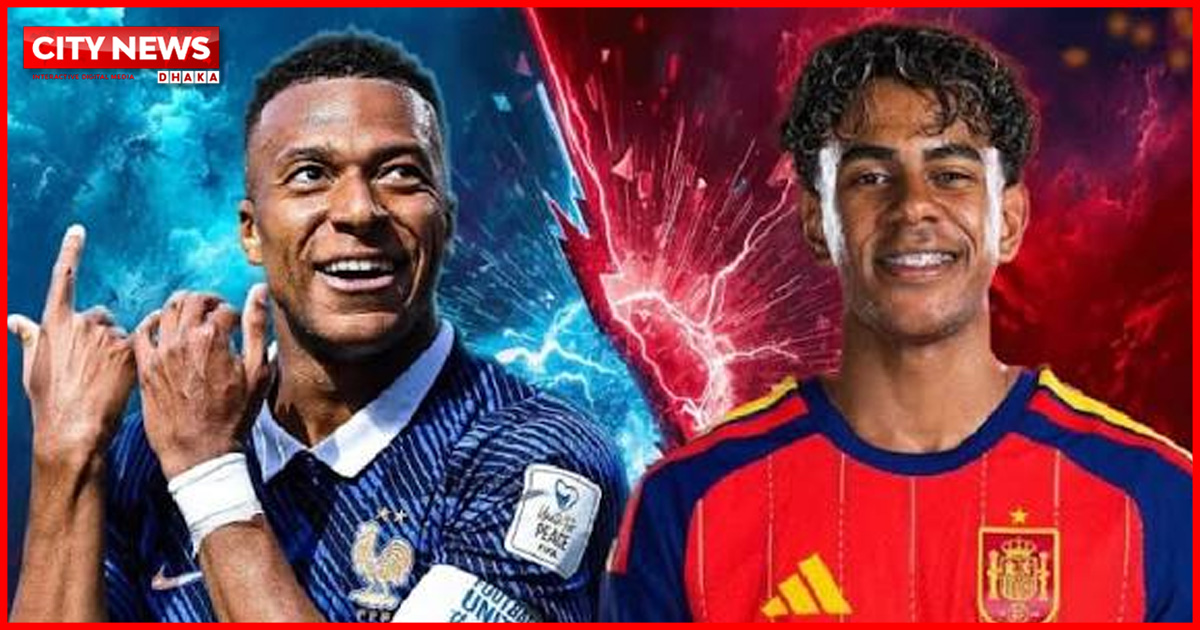
Against this backdrop, the response of Spain’s young star Lamine Yamal was far more than a rebuttal—it was a declaration of values. He reminded the world that football brings people together and that religion, race, or skin color have no place in defining the game. For such a mature message to come from a teenager is both inspiring and reassuring. It reflects the understanding that diversity is not a weakness but one of the greatest strengths of modern society.
Yamal’s own life embodies this reality. Born to a Moroccan father and a mother of Equatorial Guinean heritage, he proudly represents Spain on the international stage. Likewise, the national teams of France, England, Germany, the Netherlands, Belgium, and many other countries are composed of players with diverse ethnic and cultural backgrounds. They are citizens of the nations they represent, they sing their national anthems, and they dedicate themselves wholeheartedly to their countries’ success. Judging their patriotism by the color of their skin has neither moral nor logical justification.
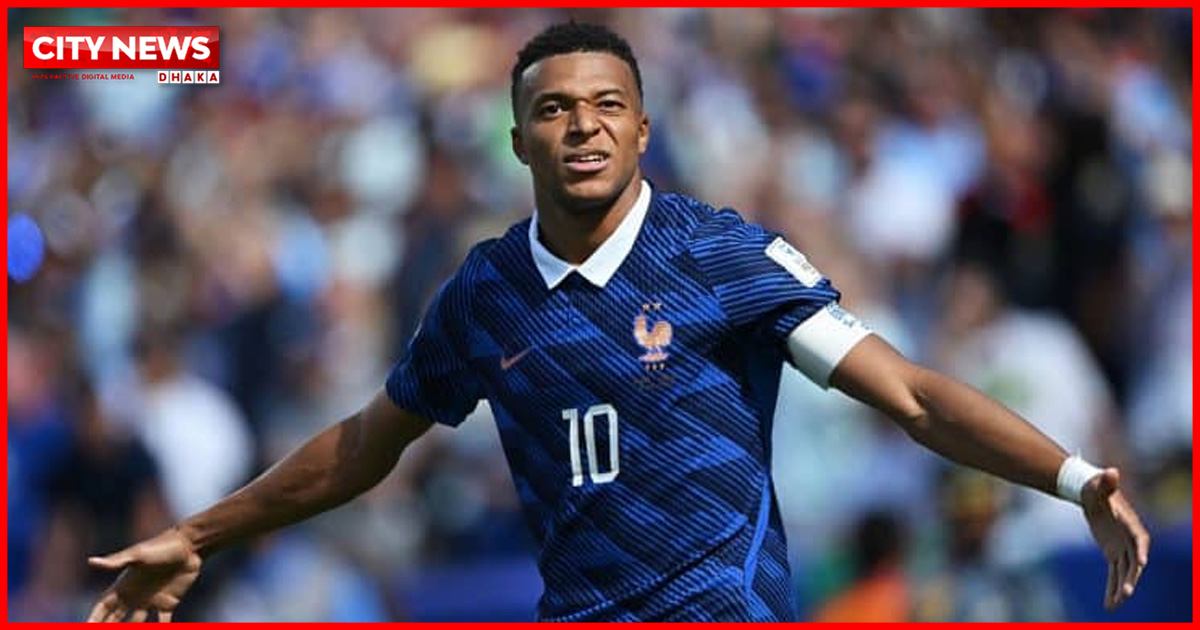
In truth, multicultural societies are no longer the exception—they are the reality of a globalized world. Across Europe, nations have evolved into diverse communities shaped by migration and shared citizenship. National football teams are simply a reflection of those societies. Players with multicultural roots do not represent a crisis of national identity; rather, they symbolize openness, inclusion, and the evolving character of modern nations.
Football’s history reinforces the same lesson. Legends such as Zinedine Zidane, Thierry Henry, Patrick Vieira, Kylian Mbappé, and countless others have demonstrated that talent knows no race. History has never remembered them because of the color of their skin; it remembers them for their brilliance, leadership, and achievements. On the football pitch, goals—not race—are what matter.
FIFA has long maintained a firm stance against racism through its “No Racism” campaign. Racist abuse from spectators, discriminatory chants, and hate speech on social media are increasingly met with strict disciplinary measures. The reason is simple: if football becomes a platform for division, it loses its greatest strength—the ability to unite people across every imaginable difference.
Regrettably, divisive rhetoric targeting immigrants and minority communities continues to emerge in political discourse across various parts of the world. Whether intended to gain political advantage or public attention, such statements carry serious social consequences. They risk legitimizing prejudice and encouraging discrimination, particularly among younger generations. Public figures, therefore, bear a profound responsibility to speak with wisdom and restraint.
As Spain and France prepare to battle for a place in the World Cup final, victory will not be determined by a player’s skin color, family origins, or religious beliefs. It will be decided by talent, discipline, teamwork, tactical intelligence, and an unwavering desire to win.
The World Cup reminds us time and again that if any sport has the power to unite humanity, it is football. Its greatest message should therefore be one of respect for diversity, commitment to equality, and unwavering belief in human dignity. Political divisions may be temporary, but the triumph of humanity endures.
Football speaks only one language—the language of talent, hard work, dedication, and unity. Rather than allowing racism and prejudice to poison the beautiful game, the football world must continue to champion respect, inclusion, and coexistence. Only then will football truly remain the world’s game.






Comment :